Learning Outcomes
i. Understand the chemical composition and structure of the plasma membrane.
ii. Explain the fluid mosaic model of the plasma membrane.
iii. Recognize the functions of the plasma membrane in regulating cell-environment interactions.
i. Chemical Composition of the Plasma Membrane:
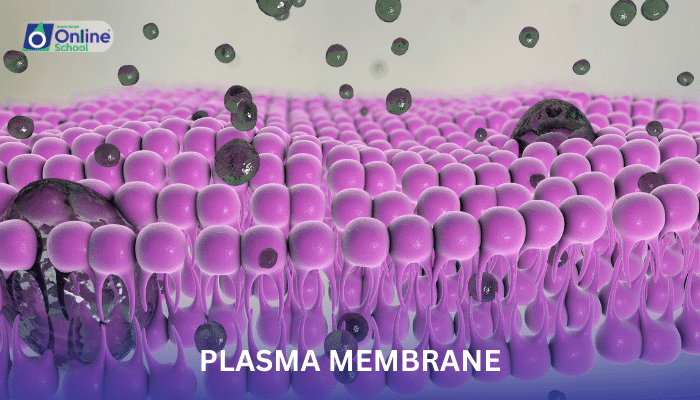
Lipids: Primarily composed of phospholipids arranged in a bilayer, creating a hydrophobic interior and hydrophilic exterior. This arrangement forms a barrier to most water-soluble substances.
Proteins: Integral and peripheral proteins are embedded within or attached to the lipid bilayer. These proteins are involved in various functions, including transport, signaling, and structural support.
Carbohydrates: Often attached to proteins (glycoproteins) or lipids (glycolipids), these carbohydrates play a role in cell recognition and adhesion.
ii. Fluid Mosaic Model:
Description: This model describes the plasma membrane as a dynamic and fluid structure with various proteins floating in or on the fluid lipid bilayer, like icebergs in the sea.
Fluidity: The fluid nature allows for the movement of proteins within the membrane, facilitating various cellular processes.
Mosaic Nature: The diverse protein molecules give the membrane a mosaic appearance and functionality.
iii. Functions of the Plasma Membrane:
Selective Permeability: Regulates the movement of substances in and out of the cell, maintaining the internal environment.
Signal Transduction: Receptor proteins in the membrane receive and transmit signals from the external environment, facilitating communication and response to changes.
Cell-to-Cell Communication: Cell surface markers, like glycoproteins, help in recognizing other cells, aiding in immune response and tissue formation.
Attachment and Support: Membrane proteins interact with the cytoskeleton and extracellular matrix, providing structural support and shaping cell interactions.
The plasma membrane's unique composition and structure, as described by the fluid mosaic model, allow it to play a crucial role in regulating the cell's interactions with its environment. Understanding the plasma membrane's functions is fundamental in cell biology, as it is integral to processes like transport, signaling, and cell recognition.
